Sunday, November 30, 2025
116. Deny
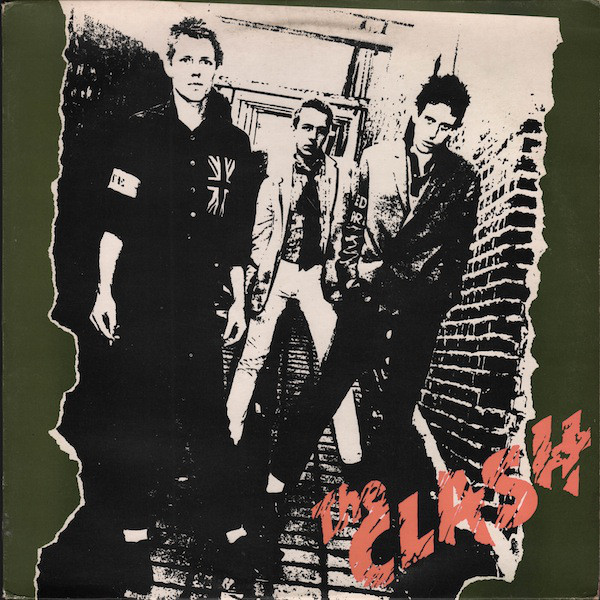
The Clash (CBS, 1977);
composed by Michael Jones & John Mellor
The Clash’s amphetiminic UK debut is the only one of theirs I still listen to with rapt pleasure beginning to end. They gizmoed it up for the U.S. version two years later, and if I was as intent on cracking that market as they had to have been, I might have done likewise, because the original 14-song disc would not have done it – it is just too perfect an evocation of too specific a state of mind. Unlike the cramped urban miniatures on Wire’s debut the same year, there is a weird jolliness to the Clash’s version of mid-‘70s London paranoia, albeit not one iota less bitter. Unlike the other three tracks the U.S. version omitted, this tune is actually catchy, but sitting smack between “What’s My Name” and “London’s Burning,” it lays the whole weird game out: “You’re such a liar / You’re selling your no-no all the time.” The latter is a slang term for salespeople who lose their knack and start talking themselves into refusals over and over. Funnier as it is, this is what “Janie Jones” is about, too. Once the Clash figured out what they were selling, they could not make any more like those.
Note: Secular essays about individual songs, each one exactly 200 words long, appearing one per day through Advant and at least semi-regularly until Donald goes away.

115. Redemption Song
Bob Marley & The Wailers: Uprising (Tuff Gong/Island, 1980);
composed by Bob Marley
Without knowing how close to death Bob Marley was when he recorded this, I am not sure how you would be able to tell from listening to it, but a couple of things catch my attention every time I do. There is the sinuous inescapable melody that could have easily been arranged for the whole band if Marley had been so inclined, with potentially cataclysmic results. Most obviously, there is the solo acoustic guitar accompanying a vocal that shows weariness only in the message conveyed, which is that time is beyond everyone. In these verses, neither pirates selling captives into slavery nor atomic power itself can do anything more to stop freedom – as consciousness no less than political actuality - than to slow it down just enough to raise doubts in those who do not understand how difficult an idea forever is. This man had none. He was a popular artist from the first, but he was also one of the very few who actually derived an almost mystical (his word, of course) connection with the mass audience – even the ones who tried to kill him. These were not his final words, but what a relief he got them out.
 Note: Secular essays about individual songs, each one exactly 200 words long, appearing one per day through Advant and at least semi-regularly until Donald goes away.
Subscribe to:
Comments (Atom)